
Seamless Green Living: Balconies and Window Boxes Meet Interior Design

Step into a home where balcony and window box habitats converse naturally with interior design, guiding light, color, and life from outside to inside without a hard boundary. We explore Balcony and Window Box Habitats Integrated with Interior Design, celebrating biodiversity, comfort, and style in compact urban spaces. Expect actionable strategies, vivid examples, and soulful stories that transform edges into experiences, enrich daily rituals, and make your rooms feel larger, calmer, and wonderfully alive.

Design Flow from Room to Railing

A successful connection begins with sightlines, rhythm, and repetition. When greenery echoes your interior palette and textures, the eye reads continuous space rather than fragmented zones. Balconies and window boxes can extend flooring tones, soften harsh thresholds, and create a layered depth that boosts perceived room size. Thoughtful alignment of planters with furniture, artwork, and lighting ensures harmony that feels intentional, serene, and meaningfully personal every single day.

Continuity of Color and Texture

Select foliage and blooms that reflect upholstery, curtain hues, and wood finishes to create visual continuity. A silvery-leafed olive next to brushed steel fixtures, or terracotta planters mirroring warm oak, makes transitions effortless. Repeat textures gently: woven baskets echo natural rugs, matte glazes balance velvet cushions. This cohesive palette relaxes the mind, reduces visual noise, and guides movement, allowing your balcony or window box to function like a beautiful, breathing extension of the room.

Sightlines, Framing, and Focal Points

Place taller plants where interior lines naturally lead the eye, such as beyond a sofa edge or adjacent to a reading chair. Frame distant views with airy trellises that outline sky and skyline, borrowing scenery to enlarge the room. A single, sculptural planter can serve as a gentle exclamation mark. Aligning focal points supports calm navigation, encourages lingering, and invites morning routines that include stepping outside, touching leaves, and noticing subtle seasonal changes.

Biophilic Cues That Feel Natural Indoors

Incorporate patterns found in nature—gentle curves, branching forms, layered canopies—so the outside composition resonates with interior silhouettes. Choose planters with tactile finishes that encourage touch, and position them where light dances across leaves, creating soft shadows on walls. These cues restore attention, reduce stress, and elevate moods. Combined with scented varieties by windows that open, they also enrich air movement, soundscapes, and microclimates, making interiors feel inclusive, restorative, and refreshingly alive.

Native Plant Layers for Pollinators

Use a canopy, understory, and groundcover approach in miniature: upright grasses or small shrubs, medium perennials, and trailing species. Prioritize nectar-rich natives staggered for continuous bloom, supporting bees and butterflies throughout the seasons. In return, you gain resilient plantings, dynamic movement, and evolving textures framed by your interior. This living mosaic mitigates pest pressure naturally, increases visual interest from the sofa, and encourages morning coffee moments spent observing tiny, hopeful dramas unfolding outside.

Water, Shelter, and Safe Nesting

Offer a shallow water dish with stones for perching, plus small bundles of hollow stems tucked discreetly for solitary bees. Avoid pesticides that disrupt delicate lifecycles. Provide windbreaks with trellised vines to create quiet pockets where insects can rest and birds briefly land. These micro-habitats foster a gentle chorus noticeable indoors, transforming everyday tasks into mindful pauses. Over time, this hospitality invites seasonal visitors, making your windows and doors portals to meaningful encounters with nature.

Soil Health in Shallow Containers

Healthy soil underpins everything, especially in limited depth. Blend lightweight, well-draining media with compost, and replenish organic matter seasonally. Encourage beneficial microbes by avoiding synthetic fertilizers and harsh chemicals. Mulch conserves moisture and moderates temperature, protecting roots from extremes. This foundation strengthens plant immunity, supports consistent flowering, and reduces maintenance demands. Indoors, you benefit from fewer pest issues, cleaner air near openings, and a sense of stewardship that enhances pride in your evolving green threshold.

Containers, Materials, and Structural Safety

Thoughtful container selection balances aesthetics, weight, and longevity. Window boxes demand secure mounting, reliable drainage, and materials suited to wind loads and weather cycles. Consider finishes that harmonize with flooring, railings, and interior accents, while ensuring adequate volume for root health. Respect building guidelines, load limits, and neighbors below. Safe, durable installations extend peace of mind indoors, allowing you to fully enjoy breezes, birds, and the gentle rustle of leaves without worry or distraction.

Light, Microclimate, and Seasonal Rhythm

Balconies and window boxes modify indoor light quality by filtering glare, softening contrast, and animating walls with leaf shadows. Orientation, surrounding buildings, and local winds shape microclimates that guide plant selection and arrangement. Seasonal planning ensures ever-fresh views and practical shading when it matters most. By aligning plant physiology with architectural conditions, you cultivate a choreography of light and comfort that supports work, rest, and gathering while nurturing life beyond the glass.

Living With It: Care, Sustainability, and Ease
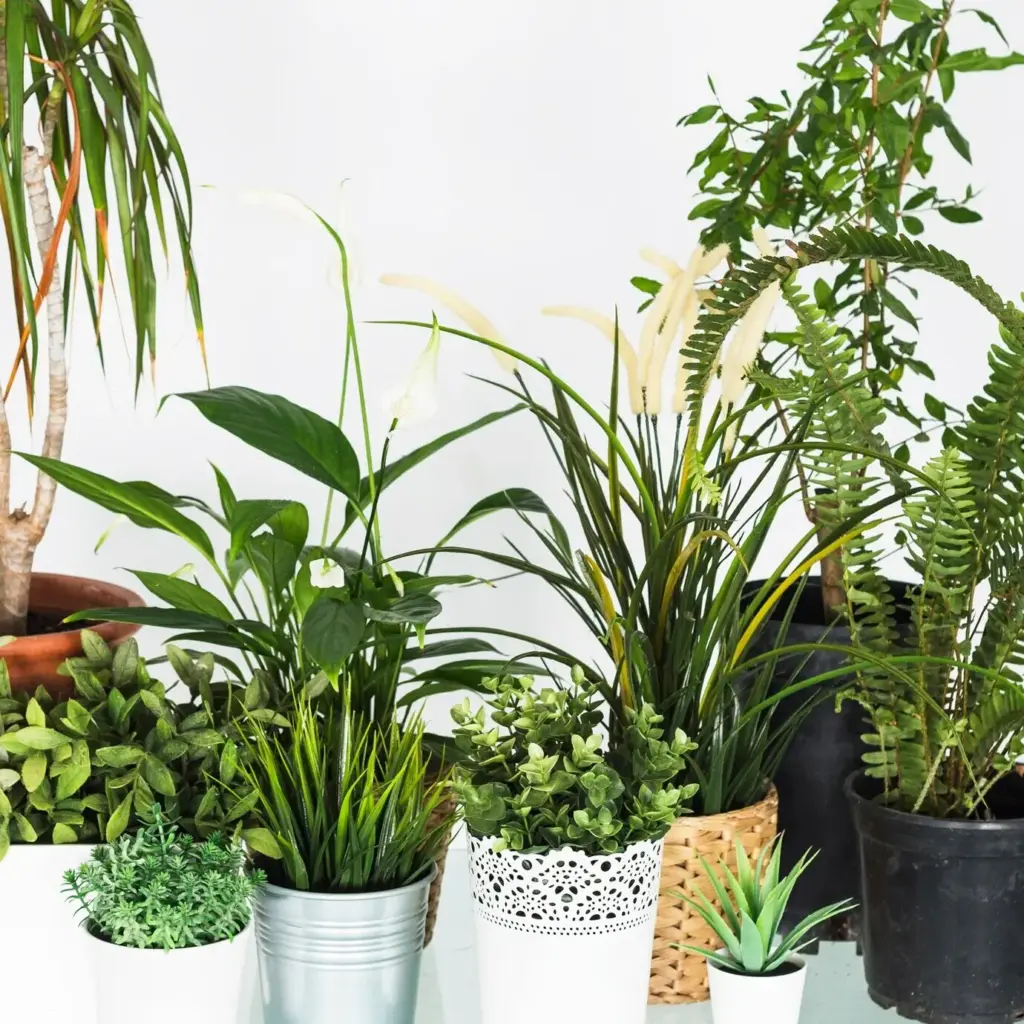
Good design becomes great when daily care feels natural. Simple routines, smart tools, and ecologically sound choices make balcony and window box habitats thrive while keeping interiors tidy. Emphasize efficient watering, organic nutrition, and gentle pest strategies that coexist with pets and children. Integrate storage solutions and unobtrusive cleaning habits. Sustainability here means generosity to plants, wildlife, and your own time, creating a home life that is lighter, lovelier, and resilient day after day.

Watering Rituals and Automation

Establish consistent watering windows when plants are most receptive, usually mornings, and pair them with brief mindful checks for new growth. Use self-watering reservoirs, discreet drip lines, or connected timers to safeguard during busy weeks. Keep towels and a small tray by the door to catch drips. Indoors, this rhythm reduces stress, prevents mess, and turns care into a pleasurable pause that punctuates the day with calm, refreshing intention and gratitude.

Integrated Pest Management That Respects Home Life

Start with prevention: healthy soil, airflow, and sanitation. Inspect leaves regularly, quarantining new plants before introducing them. Favor physical removal, beneficial insects, and gentle soaps over harsh chemicals that can drift indoors. Track patterns so you respond early and effectively. This respectful approach protects children, pets, fabrics, and indoor air while maintaining vibrant life outside. Problems become learning moments, not crises, and your green threshold remains a safe, welcoming companion to everyday living.

A Small Balcony That Became a Sanctuary

In a ninth-floor studio, two window boxes and a corner planter transformed a cramped space into a daily refuge. Native salvias welcomed bees by noon, while a trellised jasmine softened distant traffic. Inside, indirect light glowed warmer against linen curtains, and evenings felt slower, almost ceremonial. Maintenance took ten minutes, three times weekly. The resident reported fewer headaches, better focus, and spontaneous conversations with neighbors curious about the gentle, fragrant breeze drifting through the corridor.

Measuring Outcomes You Can Feel and See

Track plant survival, blooms per month, visiting species, and indoor temperature variations near windows. Note subjective measures too: stress levels after fifteen minutes outside, or perceived room brightness with foliage-filtered light. Compare energy bills before and after adding shade. These simple metrics validate intuition and highlight successful choices worth repeating. Over time, the data becomes a story you can share, guiding tweaks that increase comfort, biodiversity, and pride in your evolving living edge.
Xomilaxelikefalexi
Privacy Overview

This website uses cookies so that we can provide you with the best user experience possible. Cookie information is stored in your browser and performs functions such as recognising you when you return to our website and helping our team to understand which sections of the website you find most interesting and useful.