Design That Gives Back to Nature
Step into a home refresh that regenerates more than it consumes. Today we dive into Nature-Positive Interior Upgrades—choices that restore habitats, reduce toxins, and celebrate circularity. Expect practical checklists, heartfelt stories, and evidence-based guidance to turn every finish, fixture, and furnishing into a gentle nudge toward thriving ecosystems, indoors and beyond.
Start With a Regenerative Mindset
Begin by reframing design success from “less bad” to genuinely net-positive. Audit your rooms for hidden impacts—embodied carbon, off-gassing, wasted daylight—and match each with restorative actions. We’ll outline simple diagnostics, goal-setting frameworks, and a realistic roadmap that respects budgets, rhythms of daily life, and the living systems outside your windows.
Walk through every space noting materials, ages, certifications, and sources, then pair observations with utility bills, air quality snapshots, and daylight patterns. This holistic map reveals hotspots and opportunities, turning guesswork into a prioritized punch list you can tackle in phases without overwhelm or costly missteps.
Translate values into clear targets: plastic-free finishes, Red List–free ingredients, local sourcing within two hundred miles, bird-safe glazing, and native-plant coverage on balconies. Tie each commitment to a timeline, a budget range, and a metric you can measure and celebrate with family and neighbors.
Start with actionable swaps that shift momentum fast: repair a chair, add draft-stopping curtains, switch to mineral paint, relocate plants to proper light, and schedule a free furniture pickup for reuse. Small, visible victories build confidence and create immediate comfort while bigger plans take shape.

Materials That Heal, Not Harm
Choose finishes and furnishings that actively reduce pollution and regenerate resources. Prioritize FSC or PEFC wood, recycled metals, cork, hemp, wool, and limewash. Demand transparent disclosures—EPDs, HPDs, or Declare—and avoid the Living Building Challenge Red List. When possible, favor regional sourcing to cut transport emissions and support local craftspeople.

Right Plants, Right Places
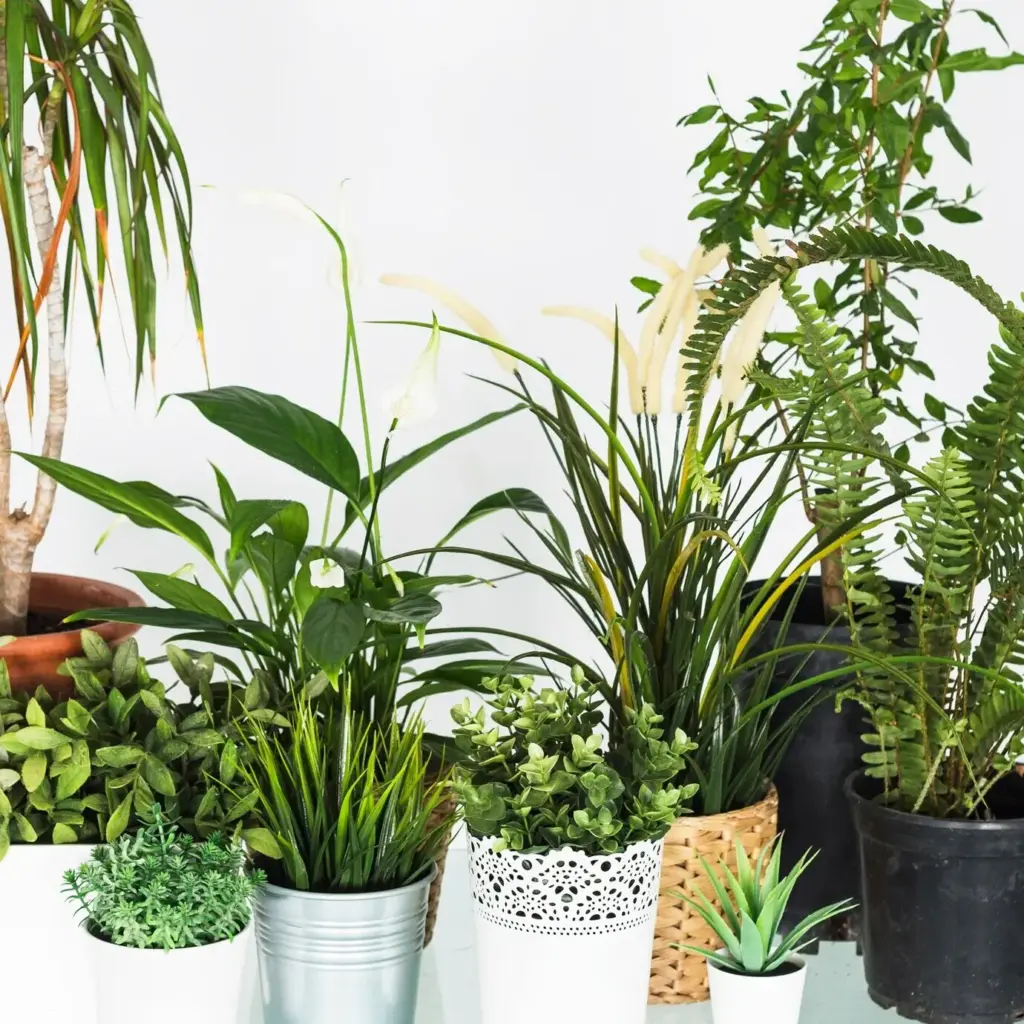
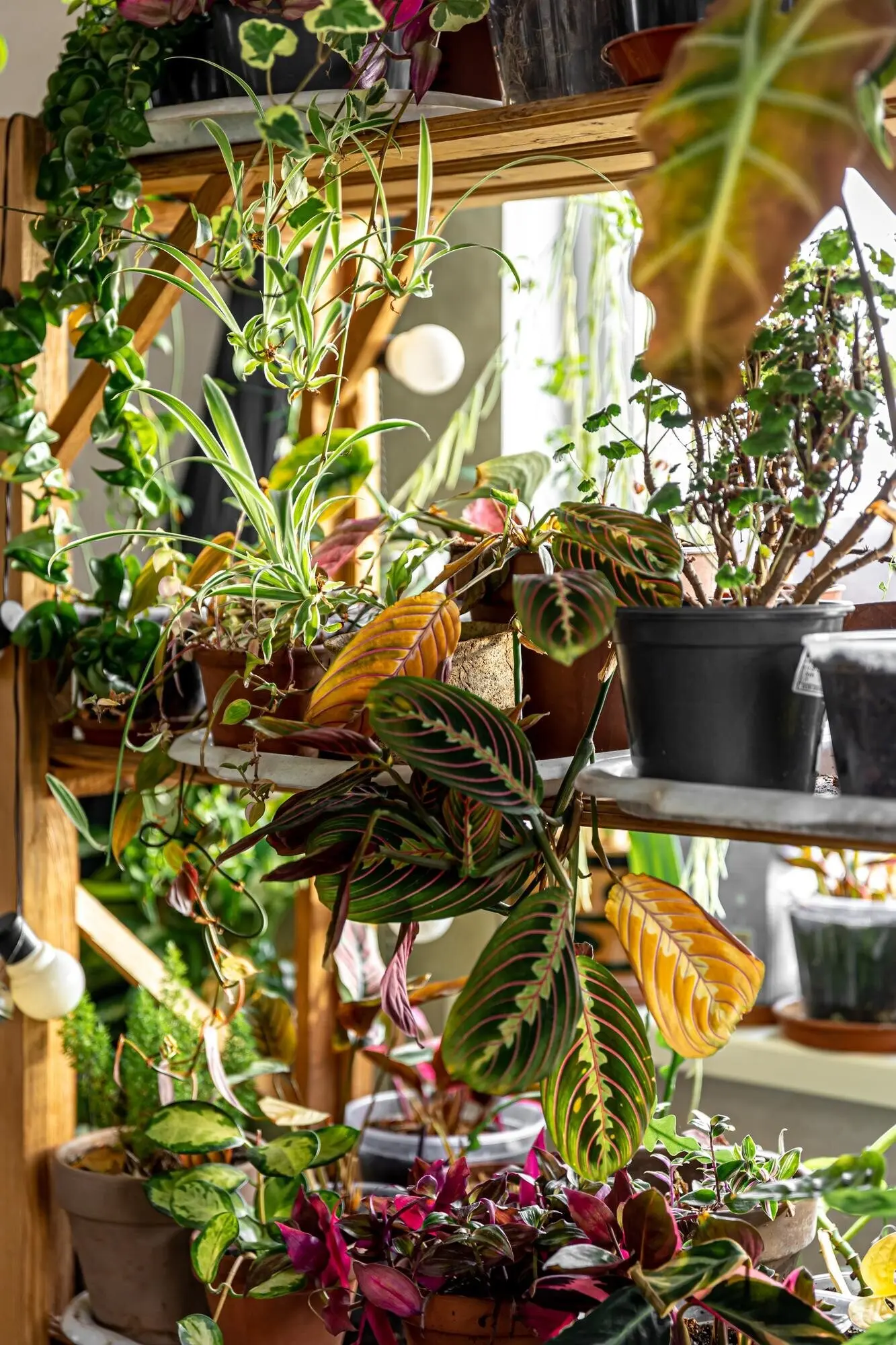
Match species to microclimates: bright sills for sun-lovers, north walls for shade-tolerant ferns, and kitchens for herbs you will actually harvest. Prefer local ecotypes where feasible. Healthy placement reduces watering demands, prevents pest pressure, and creates effortless moments of wonder during ordinary routines like making coffee.
Living Systems Indoors
Create modular planters with reservoirs, worm castings, and compostable liners. Link drip trays to wicking mats to avoid overwatering. Pair lights on timers with warmer spectra for evenings that respect circadian rhythms. Maintenance becomes rhythmic and restorative, turning care into a mindful practice rather than another obligation.
Wildlife-Friendly Windows
Apply unobtrusive dot patterns or UV decals spaced closely enough to meet bird-collision standards, and close sheer curtains during peak migration. Choose warmer outdoor lighting and shielded fixtures to protect nocturnal insects. These small choices save lives and bring birdsong and pollinators safely closer to your breakfast table.
Daylight That Works All Day
Assess daylight autonomy and glare using simple phone lux meters and intuition. Redirect light with matte, pale surfaces; soften it with linen shades; bounce it with shelves. Thoughtful layers protect focus at desks, preserve evening coziness, and allow plants to thrive without constantly moving pots around.
Clean Air Without Compromise
Balance ventilation and efficiency by sealing leaks, then supplying controlled fresh air through trickle vents or recovery units. Replace filters on schedule. Mix leafy plants for joy, not filtration claims. Target under 1000 ppm CO2 indoors to maintain clear thinking, stable moods, and restful sleep nightly.
Quiet That Feels Natural
Layer soft materials—wool rugs, cork underlay, linen drapery—and interrupt parallel hard surfaces with bookcases and fabric panels. Reduce door slams with soft closers. Quieter rooms reduce cortisol and invite conversation, crafting a social habitat where guests linger and kids read by choice.
Circular Furnishings and Low-Impact Layouts
Treat every object as a stewarded material bank. Favor vintage pieces, rental libraries, and repairable designs with replaceable parts. Choose natural latex, horsehair, or wool cushions over petrochemical foams. Plan layouts that minimize new purchases by improving flow, multipurpose zones, and thoughtful storage that keeps clutter from accumulating.

Water-Wise Greenery and Urban Habitat
Make every pot a tiny watershed. Use peat-free mixes rich in compost and biochar to boost resilience, and water with captured rain or dechlorinated tap. On balconies, choose native planters, bee hotels, and shallow dishes for birds, creating lively corridors that stitch neighborhoods into connected habitats.
Efficient Irrigation Indoors
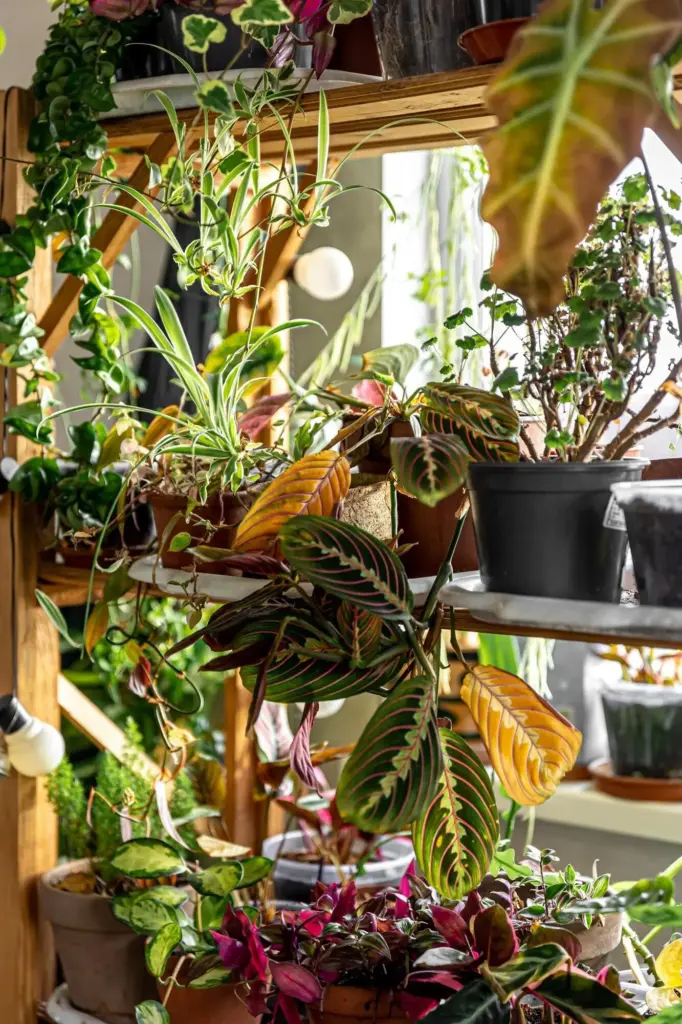
Adopt self-watering planters, moisture meters, and drip spikes made from repurposed bottles. Group plants by thirst and light to reduce waste. A weekly ten-minute check replaces guesswork, keeps leaves glossy, and prevents fungal gnats, salt buildup, and costly replacements after preventable neglect.

Soils That Support Micro-life
Build living soil with compost, leaf mold, and worm castings, avoiding peat and synthetic wetting agents. Microbial-rich media reduces disease and fertilization needs. Treat pots as mini-ecosystems with mulch caps, mycorrhizal inoculants, and occasional aeration, rewarding attentive care with vigorous growth and fewer inputs.

Balcony Oases for Pollinators
Plant staggered bloom times using native species to provide nectar from spring to frost. Avoid pesticides and neonics. Add water sources with stones for safe landing. Even a small railing planter can guide bees, hoverflies, and butterflies across concrete deserts toward parks and gardens.
Measure, Share, and Grow a Community
Accountability turns good intentions into habits. Track embodied carbon avoided, waste diverted, indoor air improvements, and biodiversity sightings with simple logs. Share progress on neighborhood forums, swap cuttings, and host repair meetups. Your home becomes a catalyst that nudges friends and strangers toward kinder choices.